Peas are seriously underrated. masa44/ Shutterstock
Peas aren’t often seen as a particularly exciting vegetable. They tend to be treated as a basic side dish or something people eat out of habit, rather than choice. But they’re also cheap, widely available and contain a combination of nutrients that can have a positive impact on our health.
While peas will not transform health on their own, when eaten regularly they can provide a useful contribution to daily protein, fibre and micronutrients intake.
Here are a few reasons why peas are worth including in your diet more often.
Cooked green peas provide around 5g of protein per 100g, while dried peas contain closer to 8g per 100g. That is less than lentils (around 6g per 100g) or chickpeas (over 7g per 100g), but more than vegetables such as carrots (less than 0.5g of protein per 100g) or sweetcorn (less than 3g per 100g).
Pea protein has a well-balanced amino acid profile, containing all nine essential amino acids. These are the building blocks for protein, which the body uses for growth and repair, as well as to make enzymes, hormones and immune molecules.
However, like other grain legumes, peas are relatively low in sulfur‑containing amino acids – particularly methionine, which plays a key role in protein synthesis and growth.
This means that peas would not be ideal as your sole protein source. But since most people eat peas alongside other plant and animal proteins, this isn’t usually a problem – and peas can be a useful way to increase your protein intake.
Pea protein is also relatively easy to digest and absorb. Research suggests it has good bioavailability compared with many other plant protein sources, meaning the body can make good use of it.
2. Their fibre supports gut and metabolic health
Many people do not eat enough dietary fibre. Peas can help contribute to you achieving the recommended 30g of fibre per day. A 100g portion of cooked peas provides more than 6g of fibre, with dried peas providing even more (around 8g of fibre per 100g). Fibre plays an important role in digestive health, but its effects extend beyond the gut.
3. Peas contain iron and other beneficial plant compounds
Iron is essential for producing the blood protein haemoglobin, which carries oxygen around the body. But iron deficiency remains common worldwide, particularly among people who menstruate.
While vegetables are not usually major sources of iron, peas contain more iron than many commonly eaten vegetables such as carrots and peppers. However, it’s important to make sure you’re eating the right type of peas if you’re looking to get more iron in your diet.
For instance, mature peas tend to contain higher levels of phytic acid, a compound that can limit iron absorption in the gut. Green peas, which are harvested earlier, contain iron while having much lower levels of phytic acid. This gives garden peas and petit pois a more favourable iron‑to‑phytate ratio, which is associated with better iron bioavailability.
Peas also contain polyphenols, including flavonoids. These are plant compounds that have antioxidant and anti‑inflammatory effects, helping protect cells from damage and supp influencing what people eat.orting overall health.
Regularly consuming flavonoids has been associated with improved cardiovascular health, better blood sugar regulation, and a lower risk of several chronic diseases including cardiovascular disease and certain types of cancer.
4. They’re one of the most affordable healthy foods
Cost plays a major role in influencing what people eat. Peas remain one of the cheapest ways to add some extra protein and fibre to meals.
Peas are a budget-friendly source of fibre and protein. Ahanov Michael/ Shutterstock
Frozen peas can be bought for around £1 to £1.50 per kilogram at most major supermarkets. They’re frequently cheaper than other frozen vegetables, and much cheaper than many fresh vegetables.
Frozen peas also generate very little waste. You can cook the amount you need, which makes them good value for households trying to eat well on a limited budget.
5. Peas are easy to store, cook and eat regularly
Convenience also has a strong influence on food choices. Peas are easy to keep and use in different ways. Fresh, frozen, tinned and dried peas all have a place, but frozen peas are particularly practical.
Because peas require little preparation, they’re easy to add to meals that families already eat. They may even be more of a hit with children. Research suggests that many children are more accepting of vegetables that are soft and slightly sweet rather than bitter or tough, which may explain why peas are often better received than other vegetables.
Keeping peas on hand also makes it easy to add to your and your child’s platess regularly. Research shows that the more children are given a certain type of food, the more likely they are to eat them.
Simple ways to eat more peas
Including peas does not require major changes to eating habits. Keeping a bag of peas in the freezer makes it easy to add them to pasta, rice, risottos or curries, or to serve them as a quick side.
Peas can also be blended into soups, stirred into sauces, or added into pesto. Dried, frozen or tinned peas work well in soups and stews.
Peas may not seem exciting. But as part of a varied diet, they’re a reliable way to add protein, fibre and nutrients without adding too much cost or complexity.
Reference Written by Rachel Woods Provided by The Conversation
※ Picks respects the rights of all copyright holders. If you do wish to make material edits, you will need to run them by the copyright holder for approval.
more from
The Conversation
The Conversation
What AI taxis and robots can learn from bees
2026-05-26 00:00:00
The Conversation
370 billion crickets are farmed for food every year. Scientists have discovered they may feel pain
2026-05-25 00:00:00
The Conversation
Are you exercising at the wrong time? How your body clock can affect your workouts
2026-05-25 00:00:00
The Conversation
Heatwaves are now everyday disasters – here’s how the UK government can better protect people
2026-05-25 00:00:00
BEST STORIES
Mindswitch
Gaia, goddess of the earth
2026-05-24 00:00:00
Street Food Guy
How exactly is coffee decaffinated?
2026-05-25 00:00:00
Inven Global
2026 PlayX4: Evolving into an All-Generations Experiential Playground
2026-05-21 00:00:00
AllblancTV
Try This 4Min SixPack ABS Workout (Part 2/2)
2026-05-21 00:00:00
Health
The Conversation
What you need to know about the Ebola outbreak that has the WHO concerned
2026-05-22 00:00:00
The Conversation
Is it safe to use cake decorating dusts and dyes? 2 experts explain
2026-05-21 00:00:00
The Conversation
'What the 2026 World Cup means for measles risk in Vancouver'
2026-05-20 00:00:00
The Conversation
Sweeteners and the quest for the perfect alternative to sugar
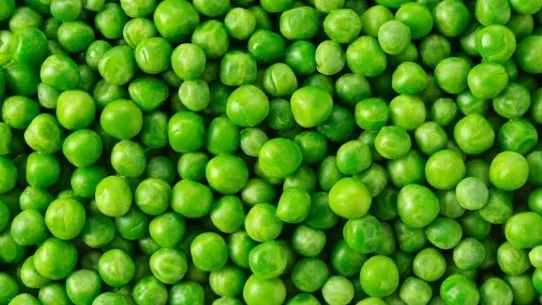 Peas are seriously underrated. masa44/ Shutterstock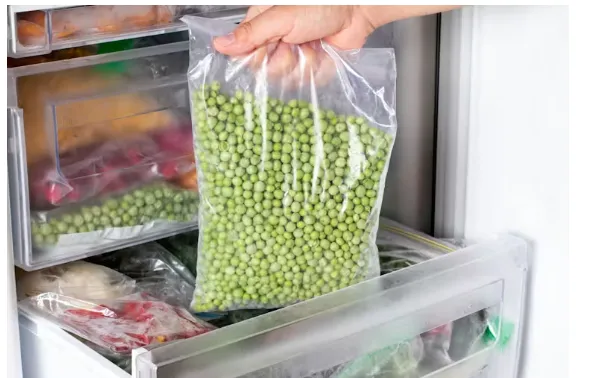
 Reference