Ulsan celebrates Unesco inscription of prehistoric petroglyphs with arts and events
by Korea JoongAng Daily
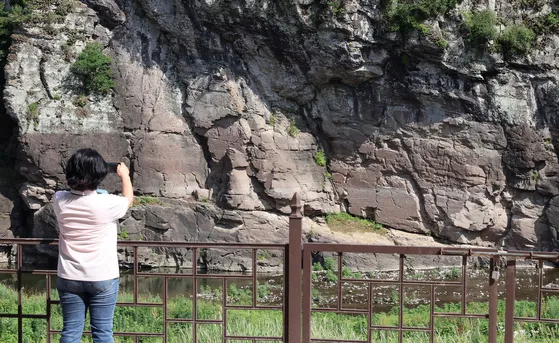
The ″Petroglyphs along the Bangucheon Stream,″ in Daegok-ri, Eonyang-eup, Ulju County, Ulsan [SONG BONG-GEUN]
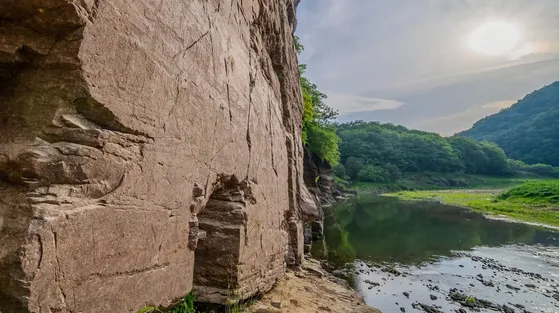
The “Petroglyphs along the Bangucheon Stream” — bearing vivid traces of Neolithic whale hunting — have been officially added to the Unesco World Heritage list, elevating Ulsan’s status as an emerging global destination for cultural tourism.The inscription, confirmed on July 12 at the 47th session of the World Heritage Committee in Paris, includes both the Bangudae Petroglyphs and Cheonjeon-ri Petroglyphs in Daegok-ri, Eonyang, Ulsan. In response, the Ulsan city government announced ambitious plans to transform the area and its surroundings into an internationally recognized cultural site.
Starting July 19, Ulsan will revamp its city tour programs to spotlight the newly inscribed heritage. A daytime option will be added to the existing nighttime tour, and the Sunday family tour will be rebranded as a “World Heritage” tour. Both programs will include visits to the petroglyph sites and the Petroglyph Museum, with reservations available through the city’s tourism platform “What a Ulsan.”
Starting July 19, Ulsan will revamp its city tour programs to spotlight the newly inscribed heritage. A daytime option will be added to the existing nighttime tour, and the Sunday family tour will be rebranded as a “World Heritage” tour. Both programs will include visits to the petroglyph sites and the Petroglyph Museum, with reservations available through the city’s tourism platform “What a Ulsan.”
Ulsan also plans to develop a historical and cultural walking trail in collaboration with the Ministry of Culture, Sports and Tourism. A total of 17.5 billion won ($12.7 million) will be invested by 2030 to create an 11.6-kilometer (7.2-mile) path composed of three sections: the 2.6-kilometer Cheonjeon-ri Petroglyph Trail, the 3-kilometer Bangudae Petroglyph Trail and the 5.7-kilometer Bangu Old Road.
To commemorate the World Heritage inscription, a series of cultural events are underway. Ulju County is hosting an exhibition through July 31 at the Uljugallery inside the county office, featuring 35 works, including photographs of the petroglyphs and traditional onggi ceramics.
The ″Petroglyphs along the Bangucheon Stream,″ in Daegok-ri, Eonyang-eup, Ulju County, Ulsan [KOREA HERITAGE SERVICE]
Ulsan will run a night market at the Taehwa River National Garden from July 18 to Sept. 20. The market will feature 20 food trucks, 40 booths for hands-on activities, and local product sales and photo zones. Handmade souvenirs and programs themed on the petroglyphs will be offered by young entrepreneurs and small local businesses.
The Ulsan Museum is currently presenting a special exhibition about whale bones which runs through Oct. 26. The exhibition highlights a harpoon lodged in a whale vertebra — a rare Neolithic artifact seen as direct evidence of prehistoric whale hunting.
Interactive digital programs have also drawn attention. Ulju’s public health center is running a walking challenge via the “WalkOn” app, allowing users to collect petroglyph-inspired animal characters such as whales, tigers and wild boars. Visitors who physically visit the heritage sites earn bonus points.
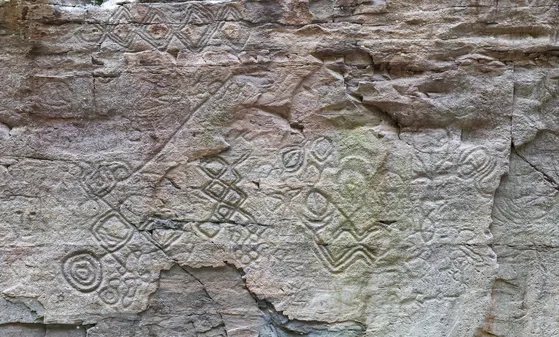
The ″Petroglyphs along the Bangucheon Stream,″ in Daegok-ri, Eonyang-eup, Ulju County, Ulsan, are seen on May 27. [YONHAP]
Public art installations by international artists are also being unveiled across Ulsan in celebration of the World Heritage inscription. Works include murals and sculptures by Shepard Fairey — known for Barack Obama’s presidential campaign poster — Portuguese sculptor Vhils, and France-based muralist JonOne, helping transform the cityscape into a cultural space.
“The Bangucheon Petroglyphs are not just archaeological remains, but core assets that embody Ulsan’s identity and future,” said a city official. “This World Heritage inscription will help establish Ulsan as a city where prehistoric culture and contemporary art coexist.”
The petroglyphs, discovered on Dec. 25, 1971, are some of the earliest examples of rock art in East Asia and provide rare insight into humanity’s first whale hunts. The Bangudae site features more than 300 engraved animal figures.
Upstream, the Cheonjeon-ri site contains 625 carvings ranging from Neolithic and Bronze Age images to Silla-era inscriptions and geometric patterns, underscoring its historical and artistic significance.
Translated from the JoongAng Ilbo using generative AI and edited by Korea JoongAng Daily staff.
Reference Written by KIM YOUN-HO [kim.minyoung5@joongang.co.kr] Provided by Korea JoongAng Daily
※ Picks respects the rights of all copyright holders. If you do wish to make material edits, you will need to run them by the copyright holder for approval.
more from
KoreaJoongAngDaily
KoreaJoongAngDaily
Former neighbors Joan Jonas and Nam June Paik 'reunite' at exhibition in Korea
2025-11-21 00:00:00
KoreaJoongAngDaily
Korea leads East Asia in childhood obesity as experts urge earlier intervention
2025-11-20 00:00:00
KoreaJoongAngDaily
Labubu and 'KPop Demon Hunters' to dazzle at Macy's Thanksgiving Day Parade. Here's what to know
2025-11-19 00:00:00
KoreaJoongAngDaily
Seoul's historic Namdaemun Market to receive major facelift as competitiveness wanes
2025-11-18 00:00:00
BEST STORIES
The Conversation
Asbestos has been found in children's coloured sand. What’s the risk to kids?
2025-11-19 00:00:00
Knowable Magazine
'Flying with whales: Drones are remaking marine mammal research'
2025-11-16 00:00:00
Street Food Guy
Can You Really Travel Comfortably in Economy Class?
2025-11-15 00:00:00
KoreaJoongAngDaily
Jongmyo Shrine designated as World Heritage district
2025-11-15 00:00:00
Entertainment
KoreaJoongAngDaily
'The Tenth King of Hell' returns to Korea after 70 years
2025-11-16 00:00:00
KoreaJoongAngDaily
A walk on Yongsan's hiddenly hip other side of the tracks
2025-11-08 00:00:00
KoreaJoongAngDaily
Korea to designate two medieval pagodas as national treasures