Temple cuisine designated national intangible cultural heritage
by Korea JoongAng Daily
Updated: May 21, 2025, 07:12
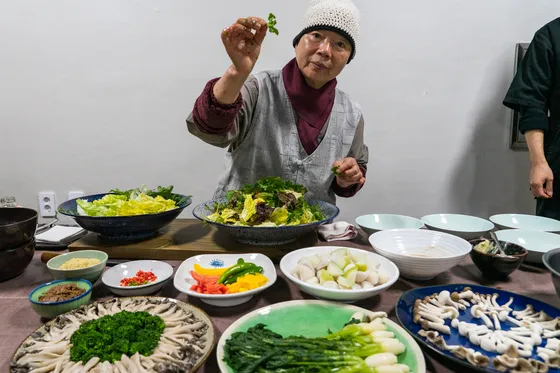
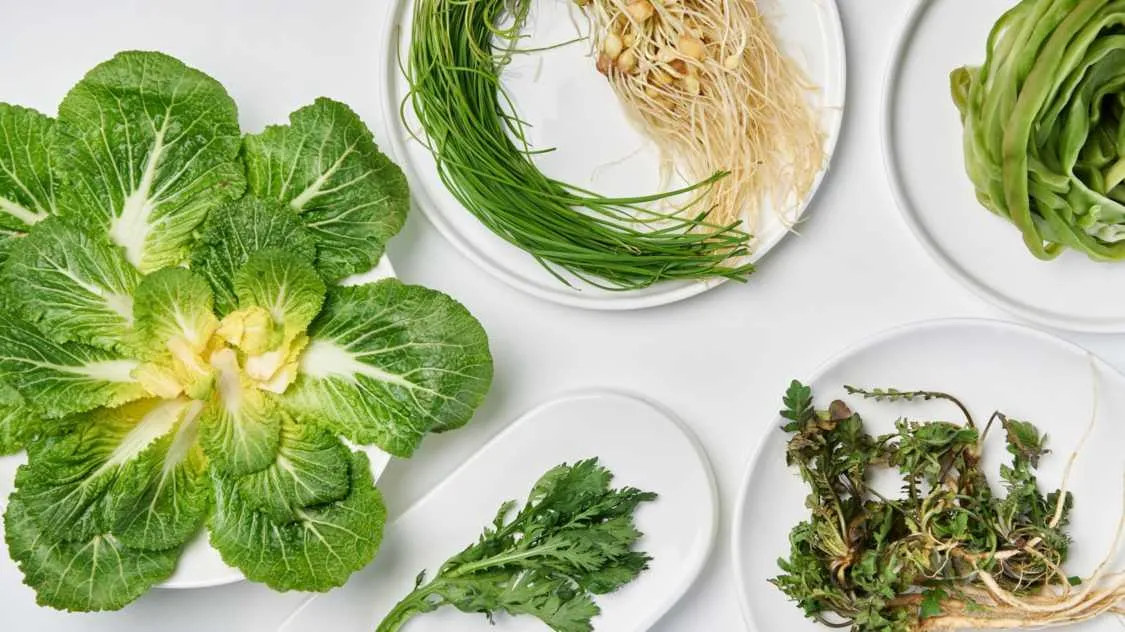
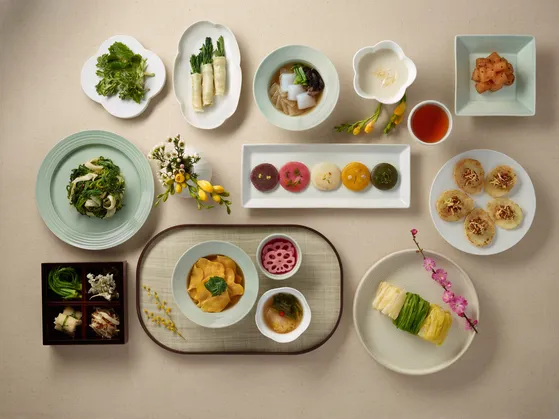
An example of temple cuisine [CULTURAL CORPS OF KOREAN BUDDHIS
Temple cuisine, a culinary tradition rooted in Buddhism’s respect for life and developed through each temple’s unique fermentation and vegetarian practices, was officially designated a national intangible cultural heritage on Monday.The Korea Heritage Service announced that temple cuisine has been added to the list of community-based national intangible heritage items. The designation recognizes heritage transmitted collectively rather than by a specific individual or organization. In the case of temple cuisine, each temple preserves its own methods, and transmission takes place communally, centering around monks and temple members.
Monk Jeong Kwan of Baekyang Temple, prepares temple cuisine on Nov. 14, 2023. [JOONGANG ILBO]
Temple cuisine has evolved alongside Korean food culture since the introduction of Buddhism to the peninsula. Historical records from the Goryeo Dynasty (918-1392) reference dishes such as vegetable dumplings and wild mustard kimchi. During the Joseon Dynasty (1392-1910), temples not only supplied fermented and preserved foods like tofu and soybean paste but also exchanged food with aristocratic households.
Today, temple cuisine encompasses both the everyday meals consumed by monks and the ritual alms bowl dining method. Common features include a strict vegetarian approach — excluding meat, fish and the five forbidden pungent vegetables of onions, garlic, scallions, chives and leeks — all based on Buddhist principles.
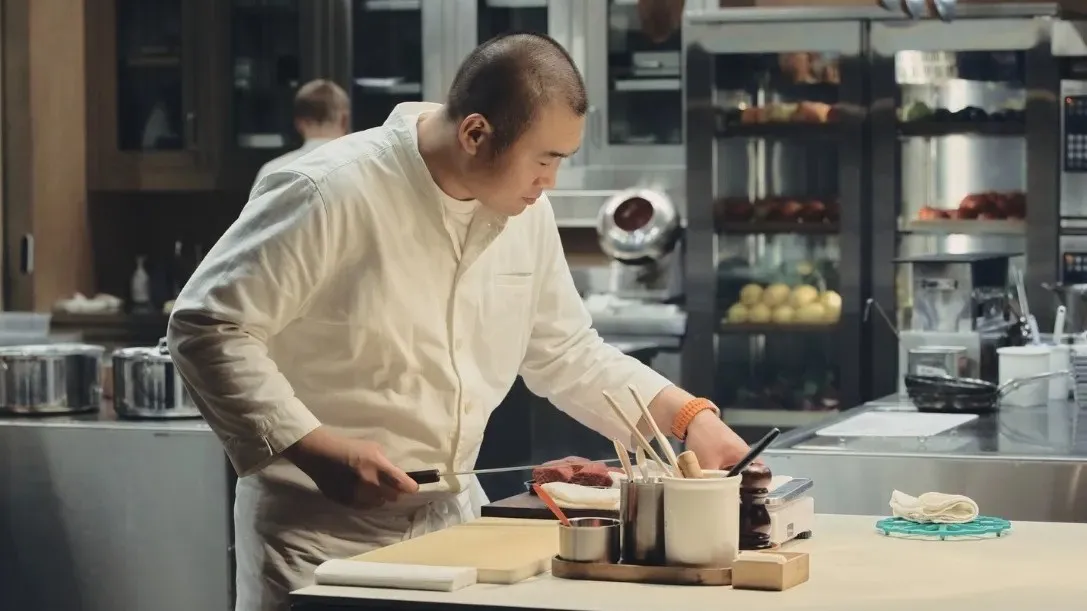
This centuries-old culinary practice continues to inspire modern health-conscious diets. Chef Kang Min-goo of Mingles, Korea’s only three-star Michelin restaurant, credited Buddhist cuisine as a turning point in his career, citing chef Cho Hee-sook, who was selected as Asia’s 50 Best Restaurants’ Best Female Chef in 2020, and monk Jeong Kwan of Baekyang Temple, a master of temple food.
The Korea Heritage Service noted that temple cuisine “stands out globally due to its fermentation techniques, use of regional ingredients and reflection of local identities around each temple” and that “the cuisine remains actively practiced today, with traditional methods being creatively reinterpreted.”
With this designation, there are now 23 community-based national intangible heritage items. The list began with the Korean folk song “Arirang” in 2015 and includes ssireum (Korean wrestling) and kimjang (kimchi-making) in 2017, jang-making (fermented paste) in 2018, yutnori (a traditional board game) in 2022 and Korean calligraphy in 2025.
The heritage service said it will support research and transmission programs for temple cuisine and continue expanding designations of new intangible heritage through proactive administration.
Translated from the JoongAng Ilbo using generative AI and edited by Korea JoongAng Daily staff.
Reference Written by KANG HYE-RAN [shin.minhee@joongang.co.kr] Provided by Korea JoongAng Daily
※ Picks respects the rights of all copyright holders. If you do wish to make material edits, you will need to run them by the copyright holder for approval.
more from
KoreaJoongAngDaily
KoreaJoongAngDaily
Slow and steady: Seoul’s leisurely Han River triathlon festival returns
2026-06-03 00:00:00
KoreaJoongAngDaily
Inflation projected to hover above 3 percent as Middle East tensions continue: BOK
2026-06-02 00:00:00
KoreaJoongAngDaily
Son Heung-min ditches longtime No. 7 jersey in effort to confuse opposing World Cup teams
2026-06-01 00:00:00
KoreaJoongAngDaily
'I'm digging my own grave': The AI push in workplaces is causing blues and burnout
2026-05-31 00:00:00
BEST STORIES
HapsKoreaMagazine
37 Cultural Cities Come Together in Miryang
2026-09-16 00:00:00
Travie
Sejong Travel Guide: Gourmet Eats, Namsan, and Jochiwon
2026-09-20 00:00:00
Weathernews
'El Nino Outlook: Winter Climate Patterns and Impacts on Flight Operations'
2026-09-15 00:00:00
AllblancTV
Try This Full Body Weight Loss Routine (Part 2/2)
2026-09-17 00:00:00
Food
KoreaJoongAngDaily
Time for bomnamul: Rich nutrition, limited season drive up demand for spring greens in Korea
2026-04-20 00:00:00
KoreaJoongAngDaily
Restaurant SAN's unique take on Korean flavors earns global attention with Asia's 50 Best extended list, Michelin star
2026-03-31 00:00:00
KoreaJoongAngDaily
Mingles named the best Korean restaurant by 2026 Asia's 50 Best
2026-03-29 00:00:00
KoreaJoongAngDaily
Butter 'tteok' the latest dessert to pop like trouble as trends come and go at light speed
 An example of temple cuisine [CULTURAL CORPS OF KOREAN BUDDHIS